7 Venue Revenue Strategies for Year-Round Businesses
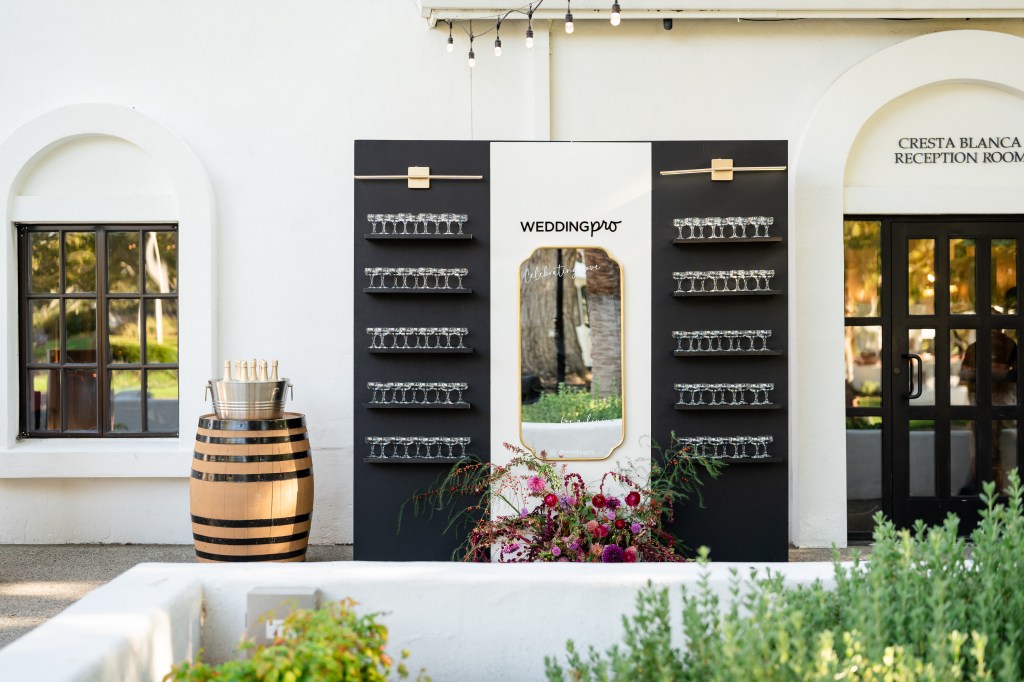
Strong venue owners know their peak seasons and when revenue will be flowing. They can quote conversion rates, pricing tiers and busy months without checking a spreadsheet. But when I ask about cost per acquisition by platform? That’s where the conversation gets interesting.
After nearly two decades working with properties across the U.S., I’ve noticed a pattern: the venues I’d consider “crushing it” and profitable aren’t just great at hospitality—they’re treating their business like a business. They’re tracking what matters, cutting what doesn’t convert and building revenue streams most venue owners don’t even know exist.
You already know your market has slow seasons. Let’s discuss turning the reality of that into opportunities!
Here are 7 fresh revenue strategies that work:
1. Track cost per acquisition by channel and prioritize ruthlessly
You know your marketing budget. But do you know which platforms are actually generating bookings versus which ones are just generating eyeballs and dead inquiries? Most venue owners I work with are shocked when we break down their revenue per acquisition by source.
Example: A venue might spend $18,000 annually on Instagram ads that generated 147 inquiries—but only 3 bookings. That’s $6,000 per booking. Meanwhile, their $4,800 investment in WeddingPro generated 89 inquiries and 31 bookings—$155 per booking. Same venue, wildly different ROI.
The fix isn’t complicated: track every inquiry source in a CRM or even a simple spreadsheet. Note which ones tour, which ones book, and calculate your actual cost per booking by channel. Then allocate your budget accordingly. If a channel isn’t converting at a rate that makes financial sense for your business, cut it. This isn’t about what feels like it should work—it’s about what the data shows is working.
2. Think beyond weddings
Corporate events book mid-week, pay deposits faster, and often have higher food and beverage minimums than social events. One venue we worked with added corporate retreats and off-site meetings to their offerings and now generates revenue from Tuesday through Thursday bookings that would have otherwise sat empty.
Your marketing materials need to speak to corporate event planners, not just brides. Highlight your tech capabilities (strong WiFi, AV setup, breakout spaces), showcase your catering flexibility, and make it ridiculously easy to book site tours during business hours.
3. Create micro-events and off-peak packages
Not every event needs to be a 150-person wedding. Proposal packages, intimate elopements, vow renewals, milestone birthday dinners, and baby showers fill those slow Tuesdays and Wednesdays—and they require significantly less staffing and setup.
Ensure the headcount you market for is also speaking to the elopements and micro-weddings who need you also! You may even want to consider segmenting areas of your property as “inner spaces” that allow for easy setup and teardown and you can rent out easily during slow seasons at a lower rate.
4. Monetize your venue in unique ways
Your venue isn’t just a wedding space—it’s a visual asset. Content creators, photographers, influencers, and brands need beautiful locations for shoots. One venue owner I know now charges $10,000 a day for a local film studio to shoot commercials. Imagine one per month at a portion of that cost: $1,000-$120,000 per month in revenue that requires almost zero labor.
Other non-traditional revenue streams that work: ticketed concerts, farmers markets, makers and craft sessions, private dining experiences, and even hosting vendor showcases where preferred partners pay to set up and meet potential clients on your property. This is an opportunity to get potential couples onsite, seeing your property and keeping you top of mind for their weddings.
5. Build strategic partnerships that generate referrals
Your preferred vendor list shouldn’t just be a list—these are revenue partners. The best venue-vendor relationships are reciprocal: they recommend you to their clients, you feature them prominently, and everyone wins.
Host monthly or quarterly vendor showcases. Offer commission structures for referrals that book. Co-market on social media. The venues doing this well I’ve seen 25-40% of their bookings coming from vendor referrals—and those couples often come in warmer because they’re already hearing about you from someone they trust.
This is also where being visible on platforms like The Knot becomes invaluable. You’re showing up where planners and couples are already searching, which means you’re not starting from zero with every inquiry. You’re building credibility before the first conversation even happens.
6. Automate what doesn’t need your personal touch
Your time is your most valuable asset, and I continue to see venue owners spending hours each week on tasks that could be automated: inquiry responses, payment reminders, review requests, even initial availability checks.
The goal isn’t to remove the human element—it’s to free yourself up for the high-value activities that actually require your expertise. Client consultations, vendor relationship building, marketing efforts—these are where you should be spending your energy.
7. Track what matters and adjust quarterly
If you’re not looking at your numbers monthly, you’re flying a little blind. The metrics that actually matter aren’t vanity metrics like social media followers—they’re conversion rates, average booking value, and cost per acquisition.
Industry benchmarks suggest a healthy inquiry-to-booking conversion rate sits around 30-40%, but it’s not uncommon to see 50-60%. If you are booking less than 30%, decrease pricing or check if you are attracting your ideal client. Booking more than 60%? Up your prices!
Set quarterly check-ins with yourself. What’s your booking pace compared to this time last year? Which marketing channels are delivering actual bookings versus just inquiries? Where are you losing people in your sales process? These aren’t rhetorical questions—they’re the foundation of a sustainable business.
Ready to dial in your venue’s performance? Start with one metric this week—track your cost per acquisition by platform, or map out one micro-event package. Small moves snowball.
Whether you’re just opening your doors or ready to scale to the next level, the fundamentals don’t change: know your numbers, diversify your revenue, and show up where your clients are already looking. The rest is just execution of what you do best.
Photo: JKapture Studios
Let's grow your business together!
Start advertising on The Knot and WeddingWire, the top two wedding planning platforms.
What is new!
- What Happens When a Bride Asks AI for a Pro?
- The Client Experience Metrics That Predict Future Growth
- Trust Wins Weddings: Why Trust Signals Matter More Than Ever
- How to Calculate Your Advertising Performance Beyond Conversion Rate
- The Wedding Pro’s Booking Funnel Audit: Where Are Your Leads Dropping Off?