
What Wins in 2026: Tools and Insights for Wedding Pros
Top trends, actionable insights and strategies you need to know to help get your business prepped for 2026—and your most successful year yet!

What 2025 looked like for couples & pros
Amid the whirlwind of 2025, some things left a lasting impression.
High-profile moments—like Taylor Swift’s ethereal engagement photoshoot or Selena Gomez’s private California wedding—did more than dominate headlines. At the same time, broader shifts transformed how both couples and pros approached wedding planning.

Inspiration accelerated:
Social media, influencers and celebrity moments increasingly shaped expectations early in the couple journey.

AI changed how people work, shop and plan:
Pros used AI to streamline marketing and admin, while couples relied on AI-powered tools for research and inspiration—arriving at vendor conversations faster and more informed.

Cost pressure grew:
Rising expenses forced vendors to balance profitability with delivering clear, value-driven options for couples.

Adaptability became a differentiator:
The most successful pros navigated these pressures by adapting to couples’ needs and guiding them through smart tradeoffs rather than one-size-fits-all offerings.
What 2025 taught us: How couples & pros took action
Couples are more informed and intentional
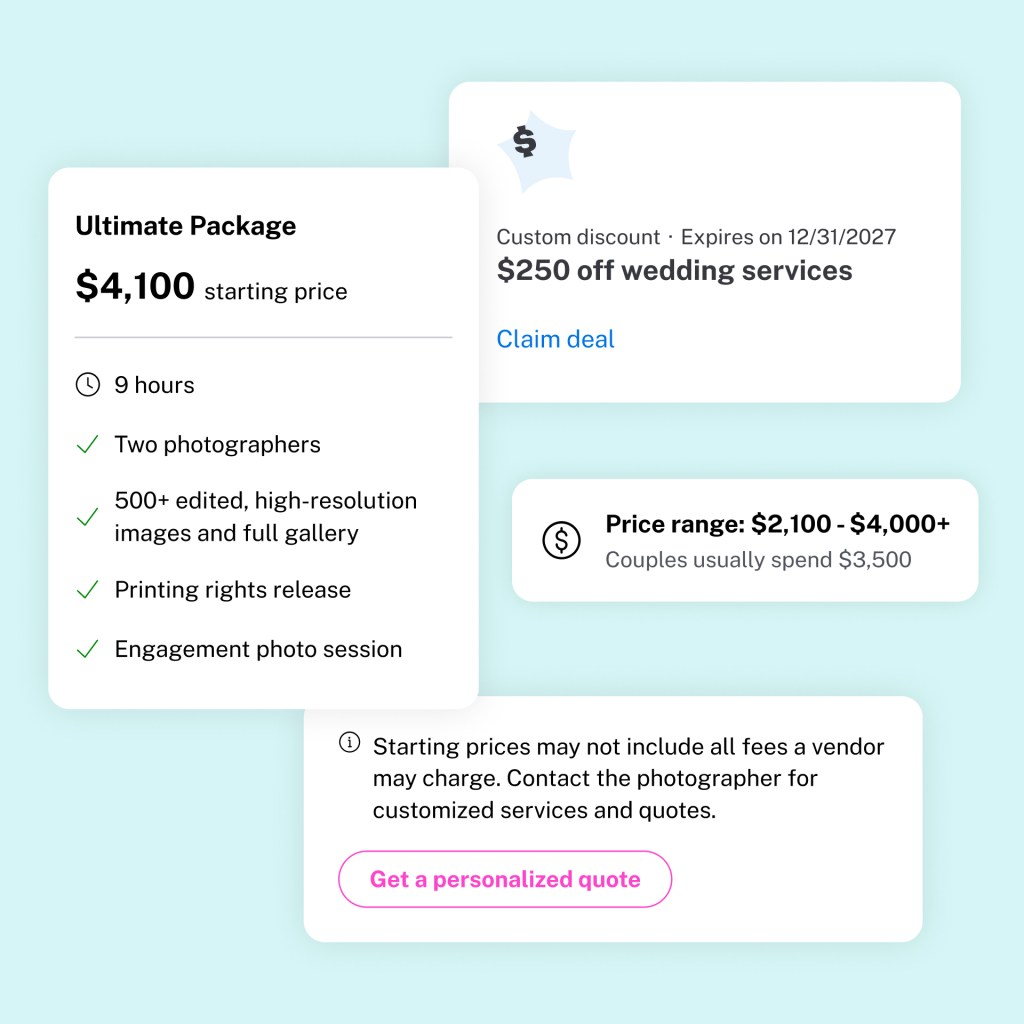
The average cost of weddings is climbing and nearly all vendors have reported increasing their prices over the past five years. While couples have always done some research, social media and AI have dramatically raised the bar—giving couples access to more information than ever before.
Transparency is now table stakes. And while couples are paying closer attention to budgets, they aren’t pulling back on their weddings: nearly 80% say their wedding is still worth the investment

Vendors are responding accordingly. About 74% now share pricing or ranges upfront — a critical shift, given that 77% of couples say pricing is the most important factor when deciding which vendors to contact.
At the same time, flexibility is becoming just as important as clarity. 67% of vendors report more requests for budget-friendly options, even as couples continue to hire around 14 pros on average. Nearly 60% of couples point to vendor collaboration as a key factor in navigating rising costs—positioning pros as strategic partners, not just service providers.
Weddings are more personal than ever
With declining interest in cookie-cutter weddings, couples are prioritizing celebrations that feel deeply personal—rooted in identity, culture, values, and lived experience. For Gen Z couples in particular, guest experience now carries as much weight as aesthetics or tradition.
Nearly 68% of couples say they want guests to feel like they’ve never been to another wedding like theirs before—a clear signal that the traditional wedding “blueprint” is no longer the default.
That doesn’t mean couples are abandoning tradition altogether. Instead, they’re becoming more intentional—choosing the elements that feel meaningful to them and pairing those with new ideas that reflect who they are today. The goal isn’t to do everything, but to do what matters most.
Vendors are seeing this shift show up through requests like:
- Non-denominational officiants that reflect blended belief systems
- Mixed-culture rituals that honor multiple backgrounds in one celebration
- Statement decor and experiential elements designed to surprise guests
This is personalization with purpose—and it’s redefining what couples expect from their wedding pros.
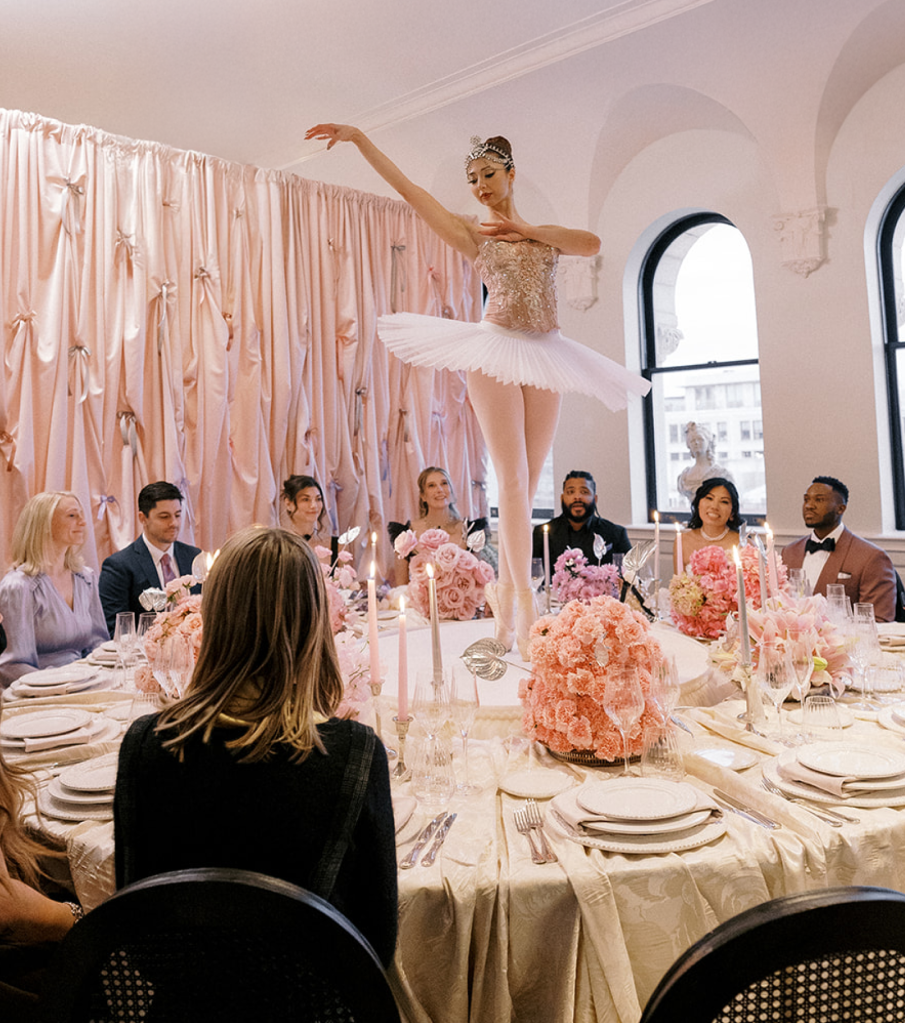

Inspiration is everywhere—and expectations are higher
Fueling this shift toward personalization is an unprecedented flood of inspiration. Couples now arrive at the planning process with references, visuals, and opinions shaped by social media, influencers, and pop culture—often before they ever reach out to a vendor.
They’re saving Charli XCX–inspired reception tablescapes on Pinterest, bookmarking abstract cake designs on Instagram, and sharing mood boards with partners and family members to align on a wedding “vibe” early on.
That abundance of inspiration is translating into more specific—and more confident— requests. Some recent examples include:
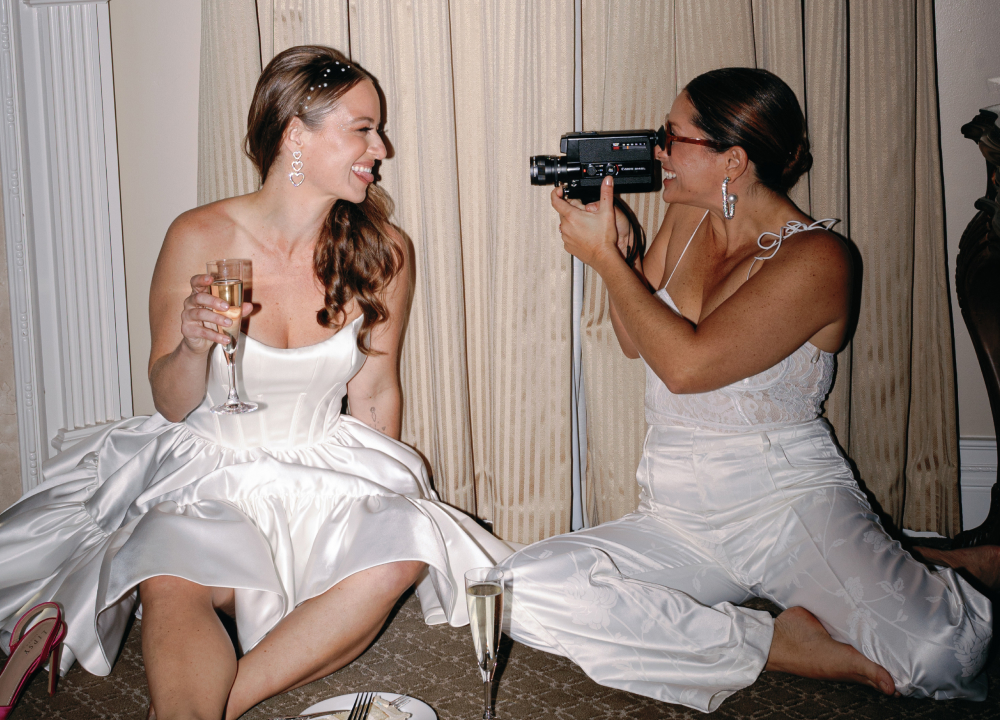
Vintage film
More couples are requesting camcorder-style footage to capture raw, unpolished moments, building on a trend that’s gained momentum over time.
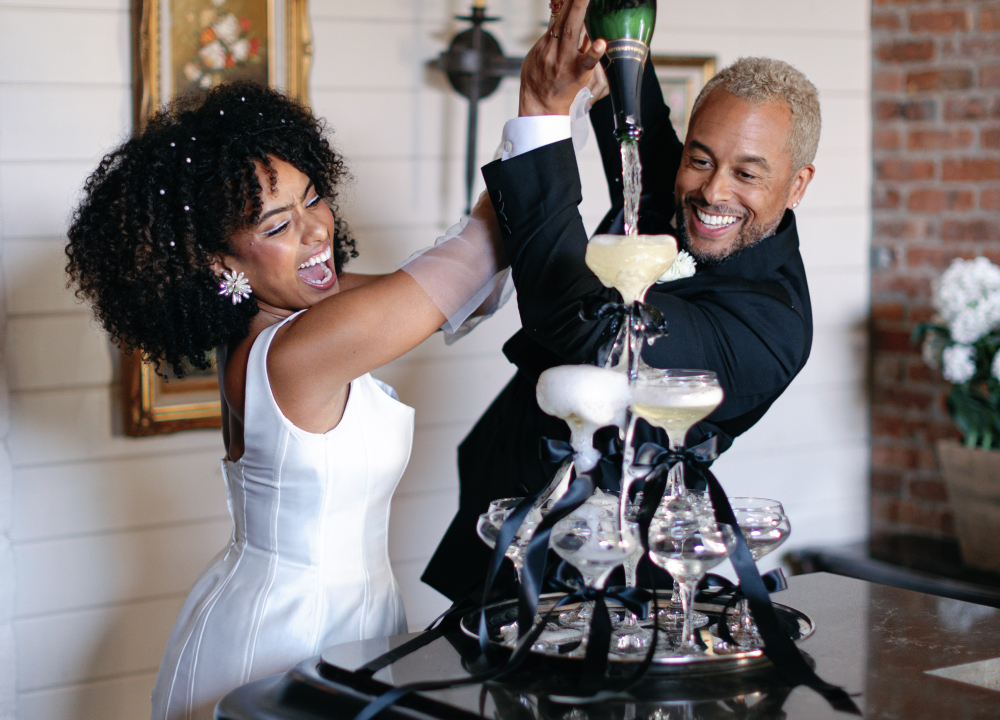
Something borrowed
Rentals and vintage apparel appeal not just for cost or sustainability, but for exclusivity—like hard-to-find pieces that feel truly one-of-a-kind.
Pros are redefining success—and leaning into adaptability
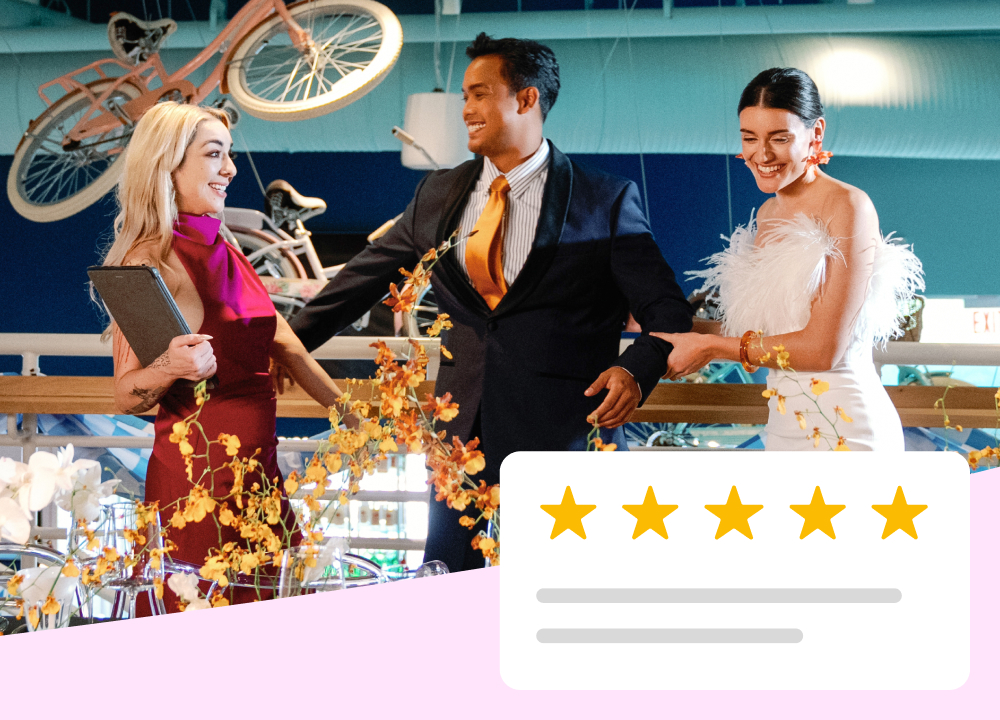
At WeddingPro, two-thirds of surveyed vendors define success in terms of client satisfaction, while less than half say high revenue is the most important factor. Pros in large metro areas are more likely to prioritize revenue, while those outside major cities increasingly value creative freedom and happy clients.
Between rising costs, increased competition, shifting couple expectations and rapid changes in technology, today’s wedding landscape is more complex than ever. In this environment, adaptability has become one of the most powerful tools vendors have to navigate uncertainty and stay competitive.
Once you have your success metric down pat, the focus turns to a more personal question: what are you optimizing for, and how do you consistently achieve that version of success?
The most successful vendors are the ones who embrace change—not because it’s trendy, but because adaptability allows them to respond to pressure without losing sight of what matters most to them or their couples. Most vendors say adaptability has a moderate or significant impact on their success.
What to expect in 2026
The shifts that defined 2025 didn’t happen in isolation. They revealed how quickly the wedding industry is evolving—and set the stage for what established vendors need to prepare for next.
Technology is reshaping weddings
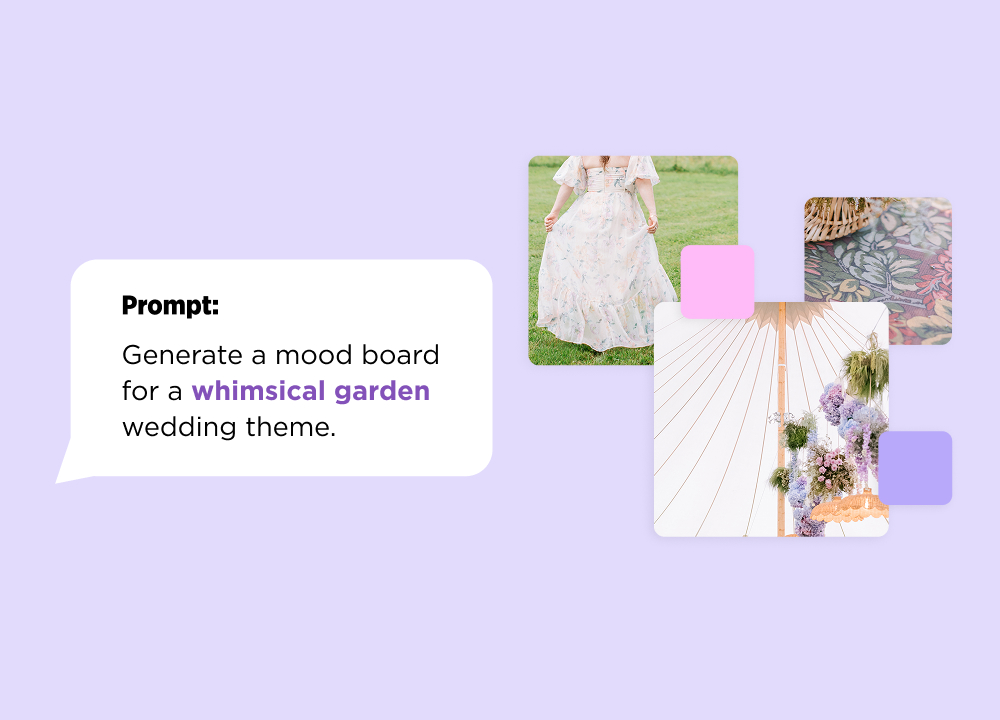
Technology is no longer just changing how vendors run their businesses—it’s reshaping how couples plan weddings from the very beginning. AI is influencing how couples search, shortlist and arrive at vendor conversations, while also helping pros streamline operations and focus on higher‑value work.
Adaptability is your superpower
Adaptability shows up most clearly in how vendors evolve what—and how—they offer. Rather than simply booking further into the future, many established pros are adjusting services, structures and positioning to stay relevant to today’s couples.
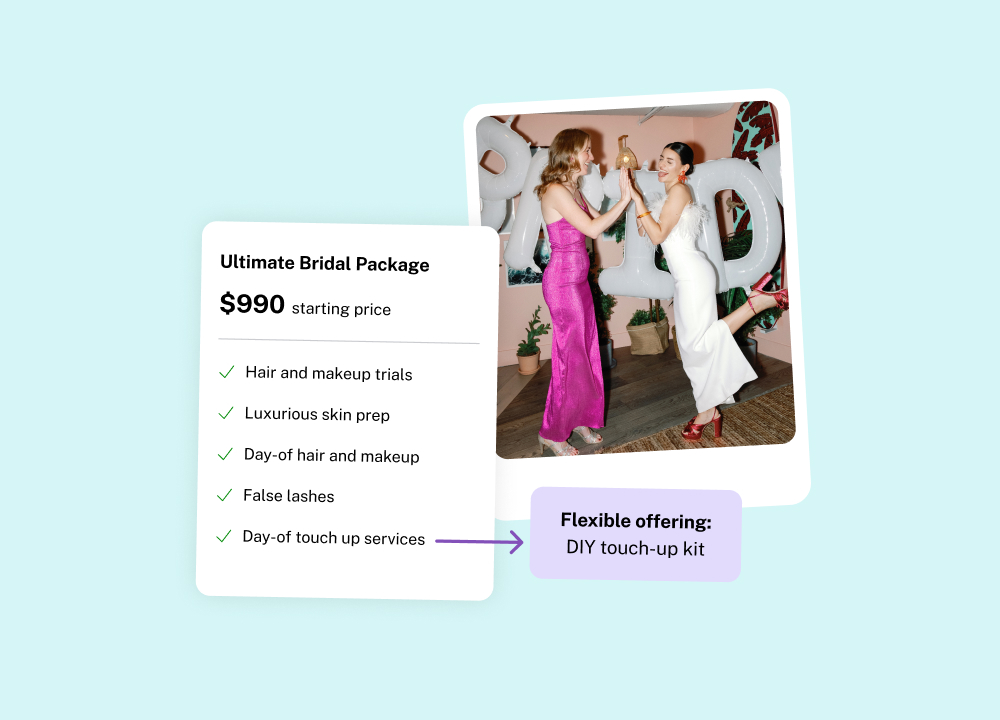
The examples below highlight just a few ways vendors across different categories are responding to shifting couple needs—illustrating how adaptability can take many forms.
- Invest in yourself
- Develop new packages
- Target new markets
Great matches are looking for you
Adaptability isn’t just about tools and offerings—it also shows up in who you choose to work with and how you position your business over time.
As your business evolves, being intentional about alignment—expectations, working styles and priorities—can help create more sustainable success and ensure that the couples reaching out to you are a strong fit for your business.
How to be successful in 2026: Turning insight into action
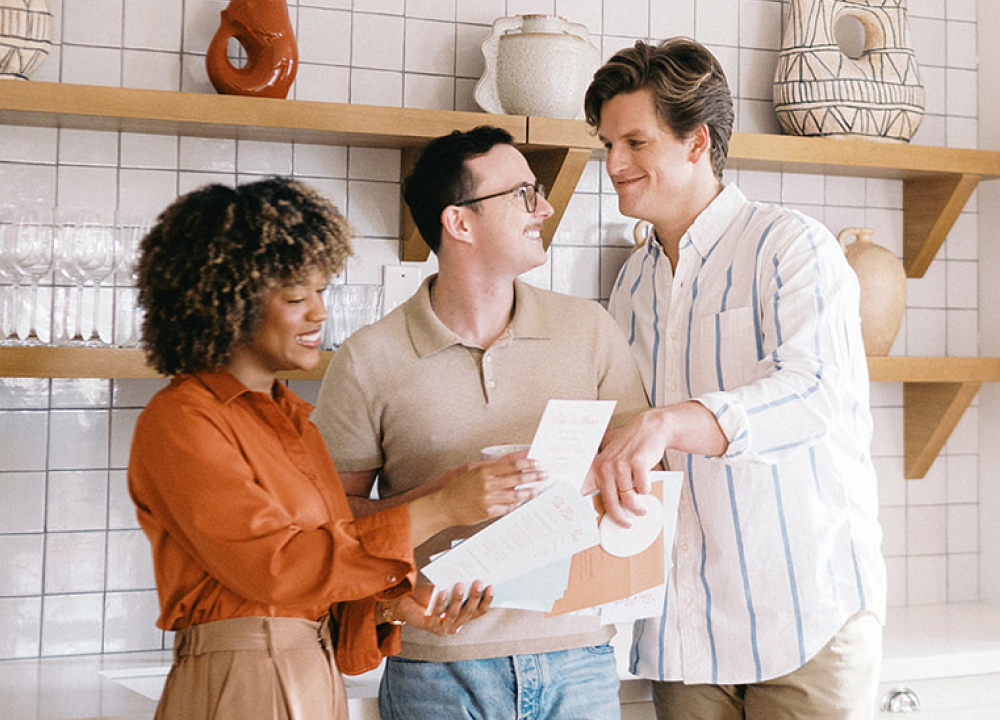
Now that you’re equipped with all the insights you need to make 2026 your year, it’s time to put them into action. Take this checklist and run with it.
2026 is your year to grow
With agility and creativity at the core of what’s to come, you’re equipped with the insights you need to elevate your business in 2026.
Stay adaptable—your business should evolve as fast as your couples do.
Get started with us!
Fill out the form below, or call 1-877-331-7752 to get started.